Vegan Tools
Overview
Vegan Tools (vegantools.org) is a deployed, production web application engineered to eliminate everyday friction for vegans, vegetarians, and consumers with dietary restrictions navigating a non-vegan world.
Rather than generic conversational interfaces, Vegan Tools provides specialized, high-speed utilities powered by client-side caching, vision-language APIs, strict JSON schema validation, and verified biochemical food additive databases.
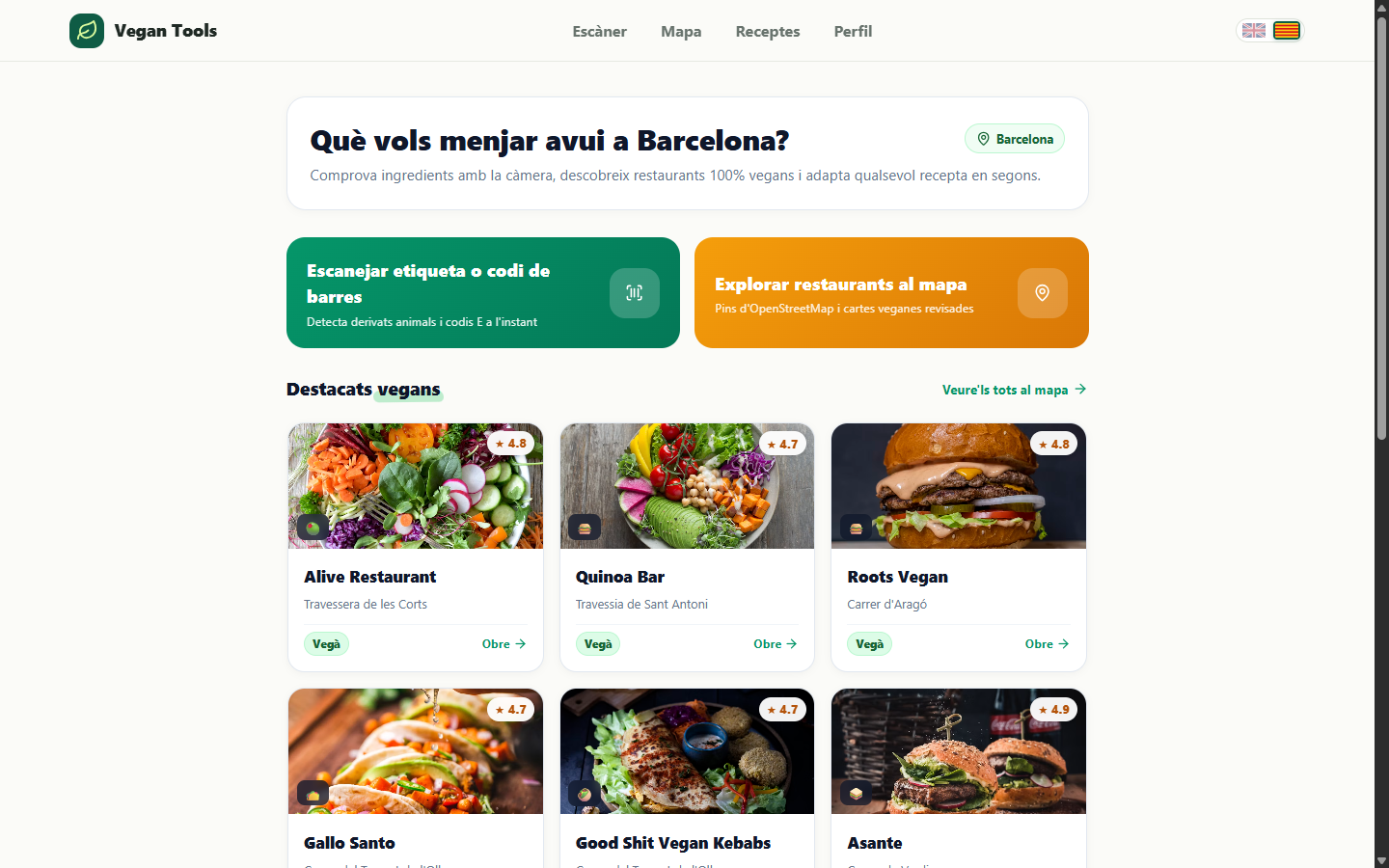 Figure 1: Production interface of vegantools.org featuring quick access to the interactive map, scanner, and recipe suite.
Key Modules & Features
🔍 Product Ingredient Scanner
Instant evaluation of ingredient lists, identifying obscure chemical compounds, E-number derivatives (e.g., E120 carmine, E904 shellac), and bone-char processing indicators with verified dietary confidence ratings.
🗺️ Interactive Vegan Discovery Map
A high-performance interactive map interface indexing verified plant-based restaurants, bakeries, and grocery stores with real-time geolocation filtering and community curation.
🥗 Smart Recipe Veganizer
Nutritional and culinary transformation engine that analyzes the functional purpose of animal products in traditional recipes (binding, fat ratio, aeration) and computes biochemically optimal plant substitutions.
Interactive Discovery Map
The interactive map module provides real-time exploration of vegan-friendly locations, filtering dining options by certification level, cuisine, and opening hours.
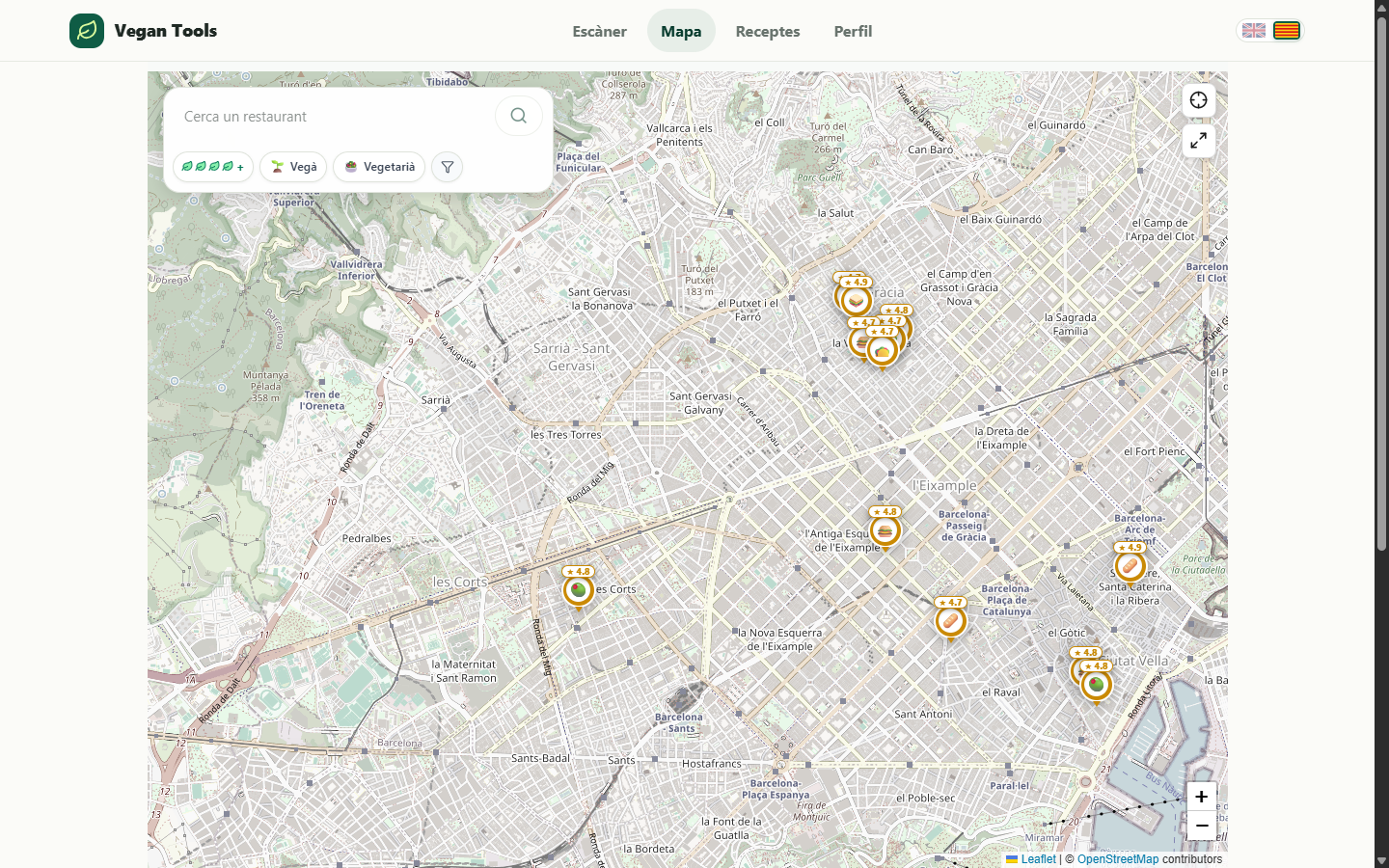 Figure 2: Interactive map view on vegantools.org/map for finding plant-based establishments with responsive filtering.
Culinary Recipe Transformation
Unlike naive keyword replacements, the recipe engine understands the physical role of ingredients in baking and cooking. Replacing eggs in a meringue requires aquafaba’s albumin-mimicking protein structure, whereas an egg in a brownie requires moisture and fat balance from flaxseed or silken tofu. The system provides step-by-step culinary adaptations with adjusted baking times and moisture ratios.
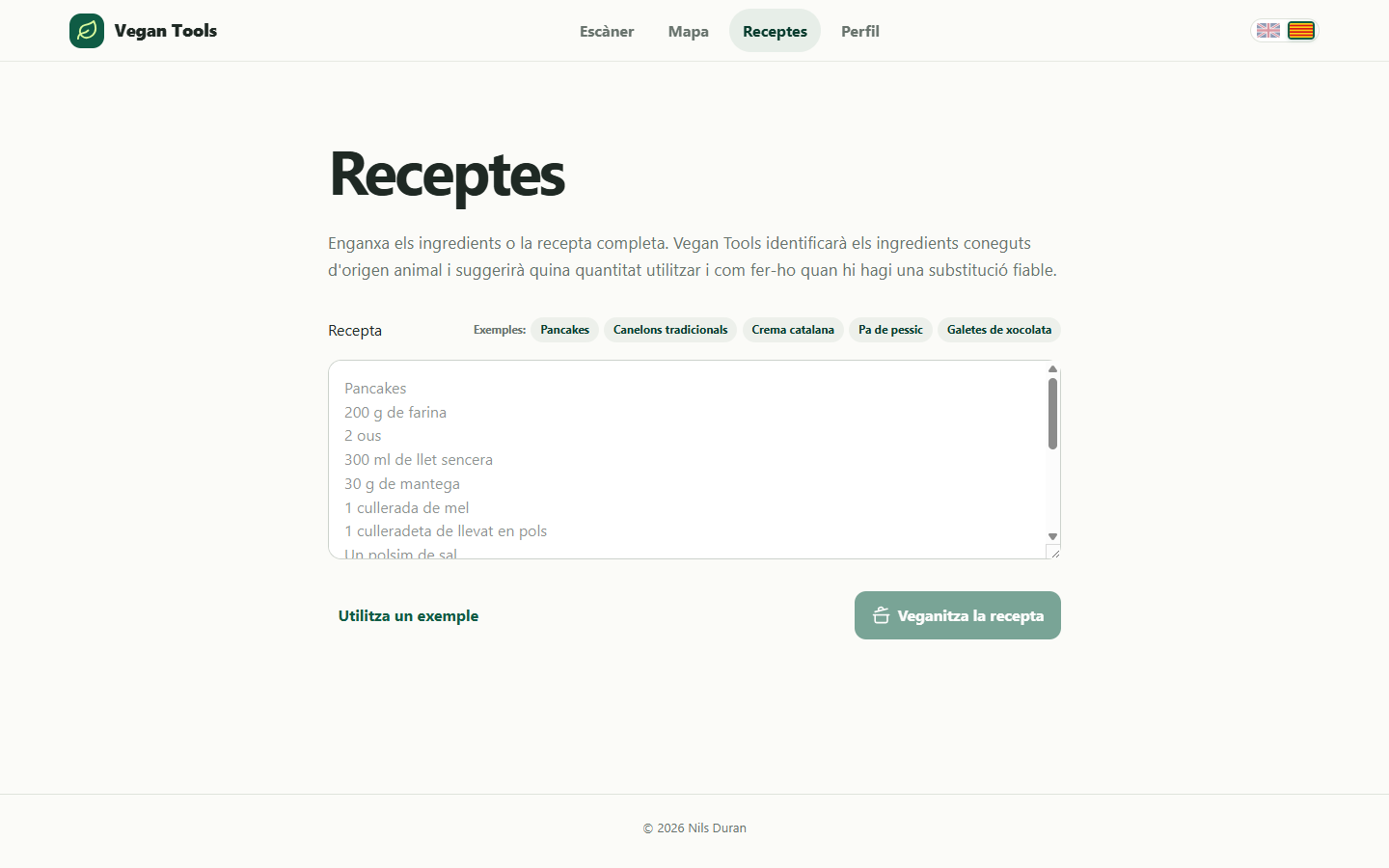 Figure 3: Recipe veganization workflow on vegantools.org/recipes showing culinary adaptations and ingredient alternatives.
Technical Architecture & Engineering Highlights
- Modern Frontend Stack: Built with Next.js, React, and TypeScript, optimized for sub-second page loads, progressive web app (PWA) offline capabilities, and mobile-first responsive interactions.
- Vision & Multi-Modal Processing: Integrates camera capture and multi-lingual OCR pipelines to parse physical food menus and packaging directly in the browser.
- Strict Schema Enforcement: Backend LLM pipelines enforce deterministic JSON schemas with fallback deterministic rule engines, eliminating hallucinated safety claims on allergens and ingredients.
- Global Edge Deployment: Served globally across CDN edge nodes with optimized asset compression for minimal latency on mobile cellular connections.